Origins

The origins of Sacha Rumi trace back to a first journey to Peru in 2004, when a deep connection with the rainforest began to form. Time spent in the region revealed both the beauty of the land and its quiet capacity to support healing, reflection, and inner transformation. At that time, the vision was known as Nova Terra—a sense of new ground, held first as an inner calling.

In the years that followed, this calling grew in clarity. Andreu and Magda shared an intention to create a place where people could live, heal, and grow in respectful relationship with the land and with one another. This intention guided the search for a location and gradually shaped the form the project would take.

In 2007, the opportunity arose to acquire eleven hectares of cultivated rainforest near San Pedro de Cumbaza. The land offered clean water, fertile soil, forest, and natural privacy. It also carried a quiet presence—steady and grounded—that supported the work envisioned there. Through sustained effort and commitment, the land was acquired and the first steps of development began.

From the beginning, the project grew through care, dedication, and the support of those who felt called to contribute. The guiding intention was simple: to create a space rooted in love, respect, and conscious living; to offer a place where people could encounter the forest with openness; to build a centre for healing work carried out with sincerity and integrity; and to protect the land so future generations could experience it in its living vitality.

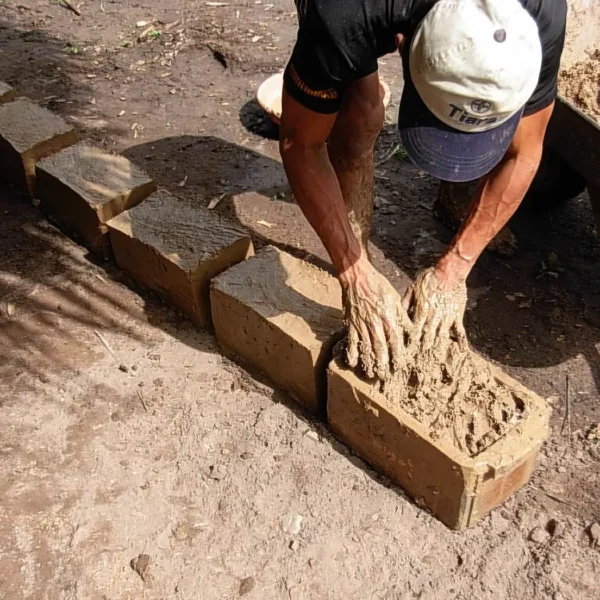
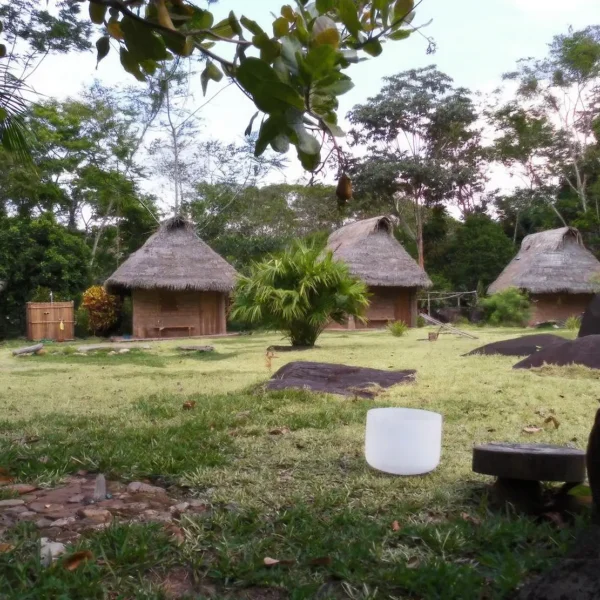
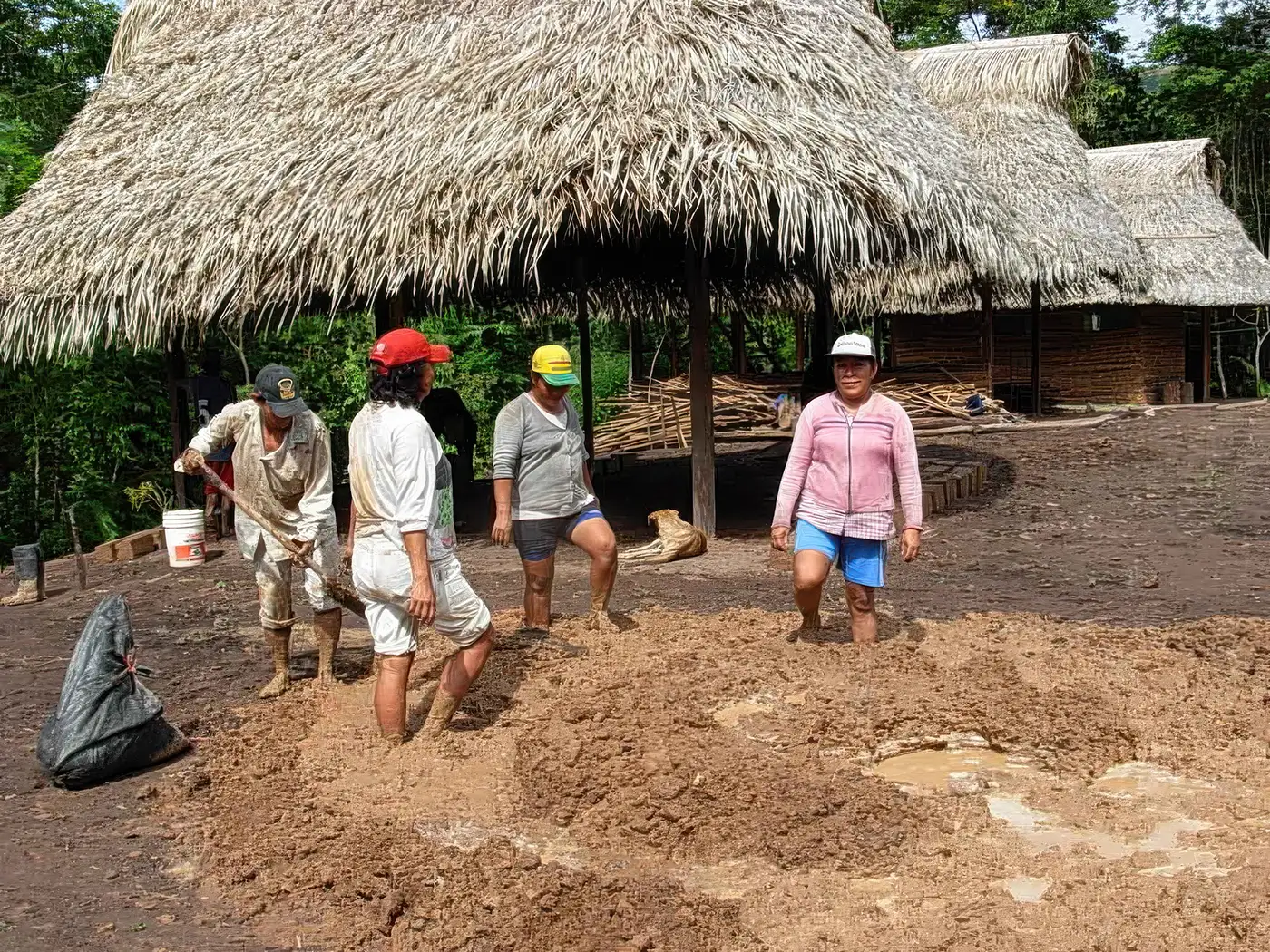
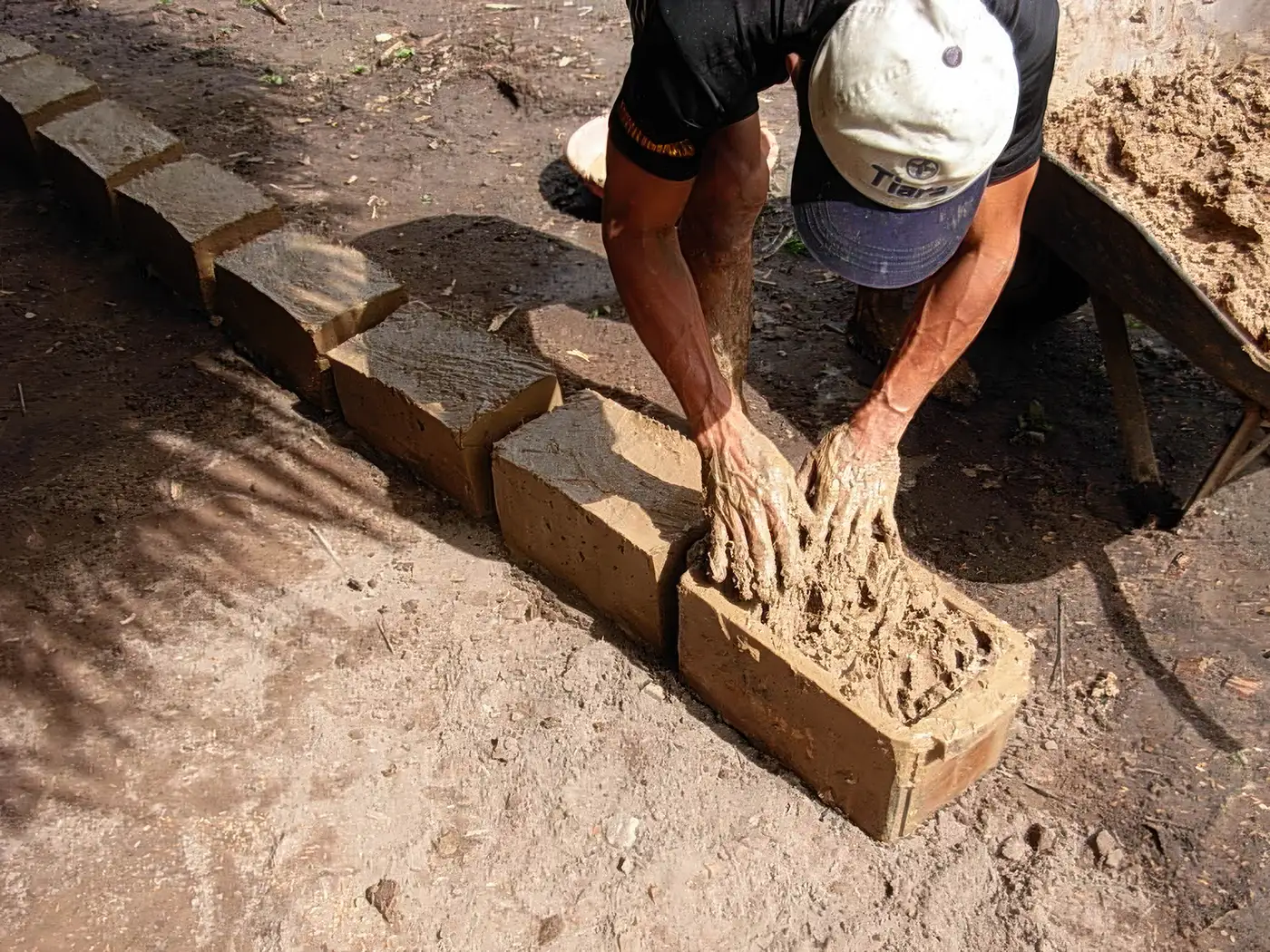
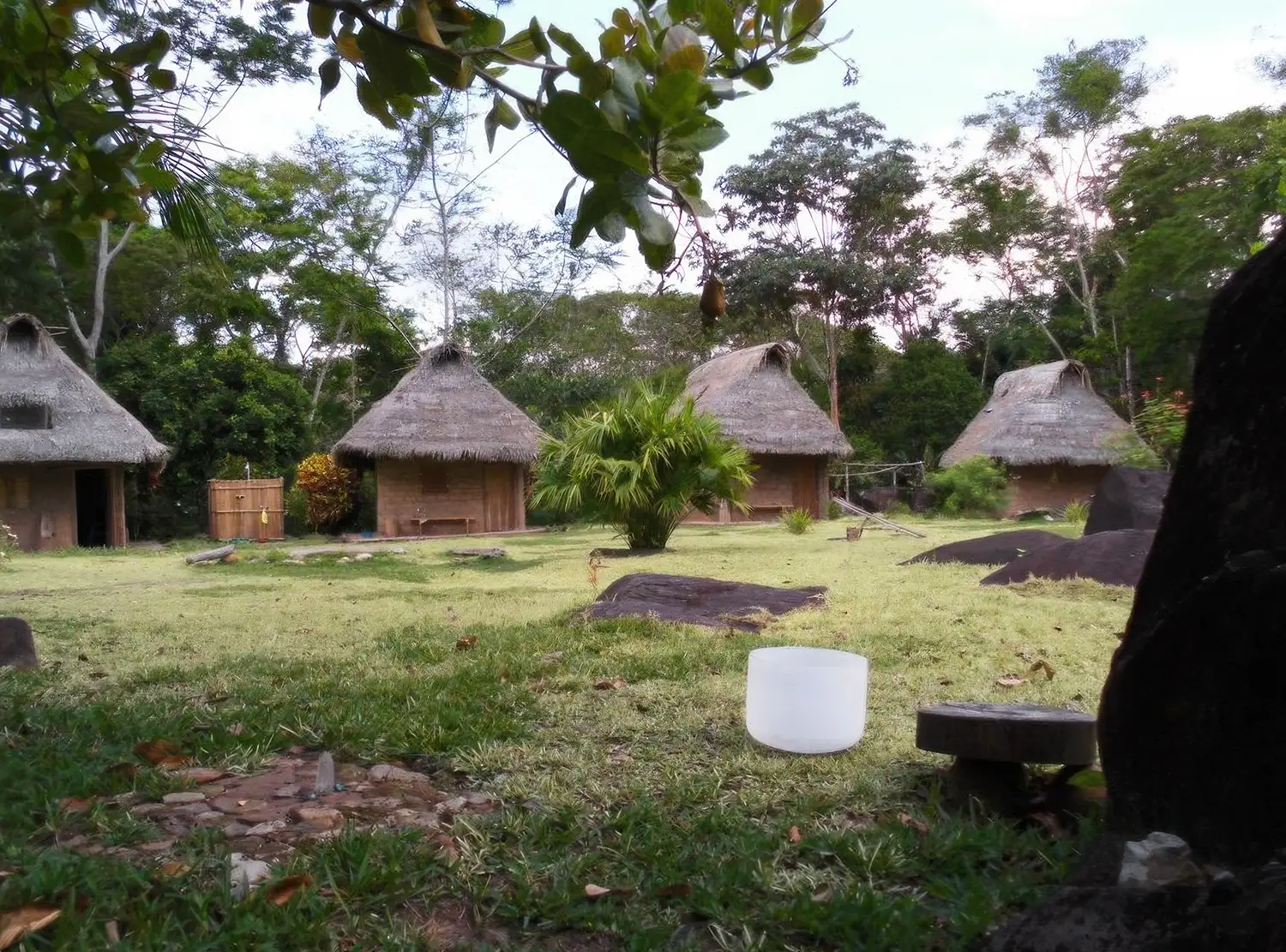
Over time, the maloca, tambos, gardens, and shared spaces were created. Each structure was designed to sit lightly within the environment and to follow the contours of the land. Large areas were left in their natural state, allowing the forest to remain the central presence. The centre grew slowly and intentionally, shaped by the rhythm of the valley and by attentive listening.

As the project matured, the name Sacha Rumi came forward, reflecting a deeper relationship with the land itself. Meaning forest stone, the name speaks to endurance, memory, and presence—qualities revealed through years of living, working, and learning in this place. The original vision found its grounding here, carried forward with greater depth and intimacy.

Today, Sacha Rumi remains faithful to its guiding purpose. It is a place where individuals and groups come to reconnect with themselves, with nature, and with more conscious ways of living. It is also a place of ongoing stewardship, where those who care for the land continue to learn from its intelligence and respond to its needs.

The story of Sacha Rumi continues to unfold. It is shaped by the people who arrive, by the work that takes place here, and by the living forest that holds it all. Many who come speak of a sense that the land carries memory and welcomes the work it hosts. In this way, the story grows on, held by the valley, the river, and the quiet, enduring presence of the rainforest.
Timeline

2004

First journey to Peru. A deep connection with the rainforest begins and the seed of the Nova Terra vision is formed.

2007

Eleven hectares of land near San Pedro de Cumbaza are purchased. The project officially takes root and the intention becomes real.

2008 – 2010

Initial development of the retreat center. Paths are opened, essential structures are planned, and the foundation for future retreats is created.

2011 – 2015

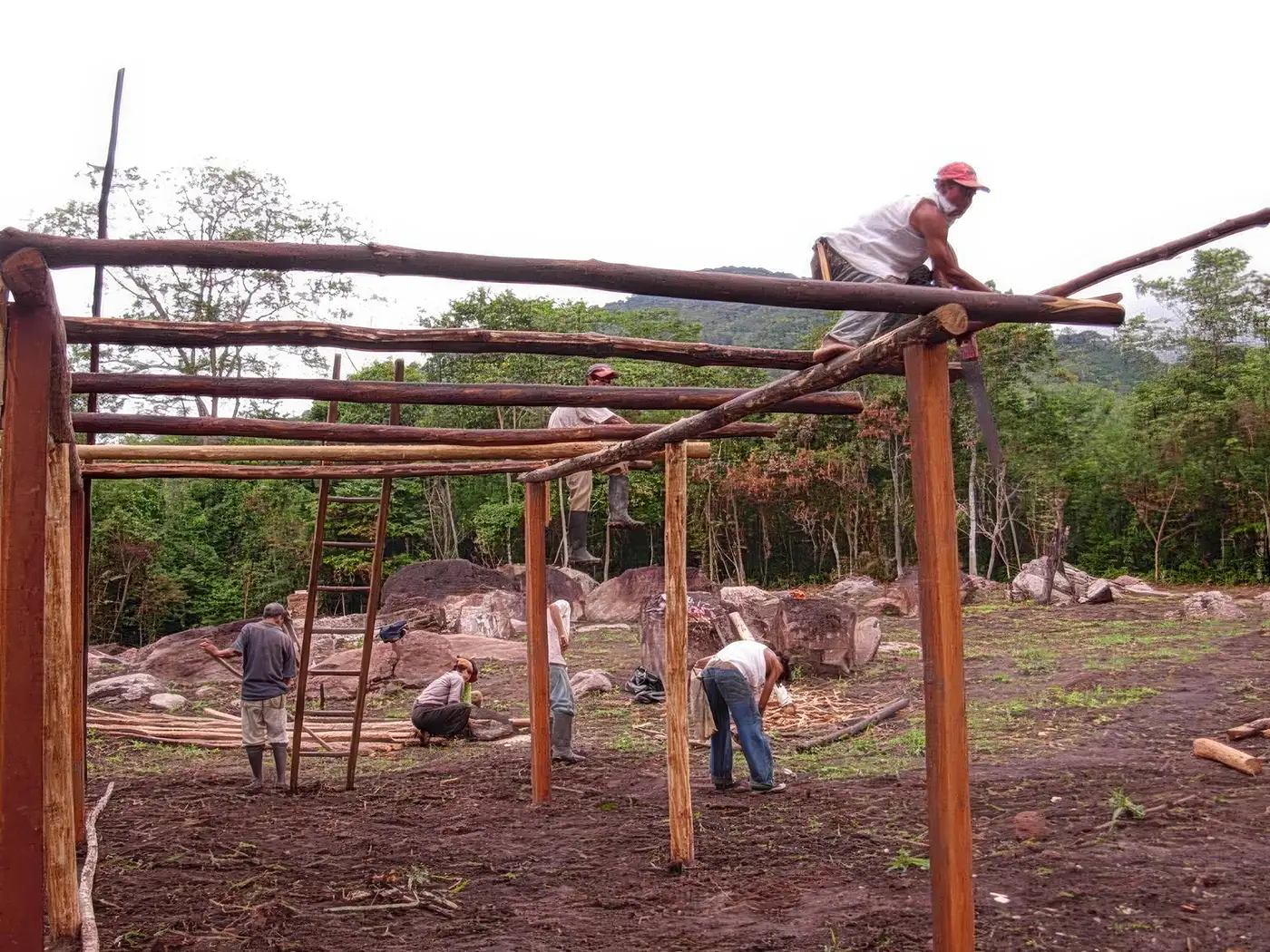
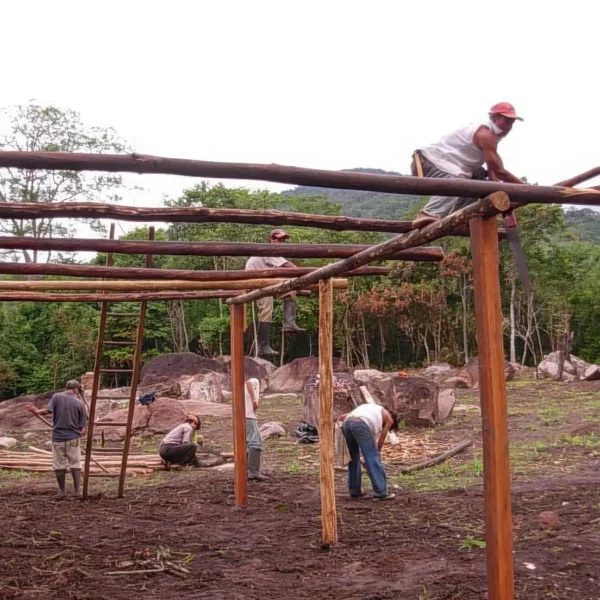
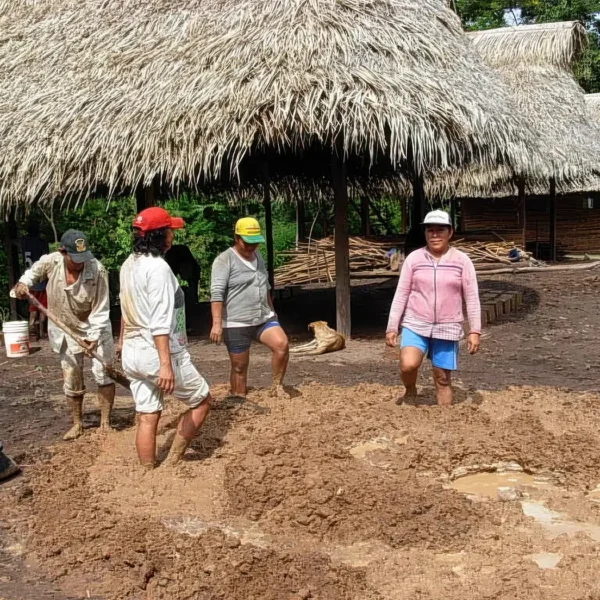
Construction of the maloca and the first tambos. Small retreats and personal processes take place. The identity of the center begins to take shape.

2016 – 2020

Growth and refinement. More facilities are added, cultivation expands, and the land is conserved with increasing clarity and intention.

2021 – Present

Sacha Rumi matures into a sanctuary for healing, retreats, and conscious living. The center continues to evolve through stewardship, community, and the presence of the forest.

Sacha Rumi remains a living story rooted in the land and carried forward by those who care for it.

Our Ethical Framework

Sacha Rumi is guided by an ethical framework that honours the land, the people who visit, and the local community that surrounds it. This framework shapes every decision made on the property and ensures that the retreat center grows in a way that is responsible, respectful, and aligned with its original intention.

At the heart of our ethic is a commitment to land stewardship. The rainforest is not treated as a resource but as a living partner. Conservation, minimal impact, and long-term ecological balance guide all development. Forest areas are protected, water sources are respected, and cultivation is carried out with sensitivity to soil health and local biodiversity.

Sacha Rumi also upholds a clear ethic of personal and relational integrity. Facilitators and visitors are expected to work with sincerity, transparency, and respect for themselves and for others. Retreats here are grounded in care, safety, and consent. The environment supports deep processes, and those who guide them carry a responsibility to meet the work with clarity and humility.

Our connection to the surrounding community is also part of this framework. Local knowledge, collaboration, and support are valued. Whenever possible, work, materials, and guidance are sourced from the region. This strengthens relationships and helps ensure that the benefits of Sacha Rumi extend beyond the land itself.

In all of these areas the aim is simple. To create a center that reflects the values of respect, presence, and conscious living. To honour the forest and those who walk within it. To offer a space where healing and transformation can unfold in a way that is grounded, ethical, and aligned with the natural world.

Our Guiding Principles

Sacha Rumi is shaped by a set of guiding principles that support the integrity of the land and the experience of those who come here. The first principle is respect for the forest. The land is cared for with attention to its natural balance, its biodiversity, and its long-term wellbeing. Conservation and minimal impact guide every decision.

The second principle is sincerity in the work. Retreats and practices that take place here are held with clarity, safety, and genuine intention. Visitors and facilitators are invited to meet the process with openness and personal responsibility.

The third principle is community connection. Nova Terra values collaboration with local people and honours the knowledge, culture, and support that come from the surrounding region. This connection helps the land and the project remain rooted and accountable.

Together these principles hold the center. They shape the atmosphere of Sacha Rumi and support a way of working that is aligned, conscious, and respectful of both nature and human experience.

What Sacha Rumi Is and Is Not

What Sacha Rumi Is

  • A sanctuary for healing, presence, and conscious retreat work
  • A protected rainforest space held with respect and ecological care
  • A center for meditation, ceremony, plant diets, and inner exploration
  • A quiet environment for sincere personal and group processes
  • A place guided by integrity, simplicity, and connection with nature
  • A land-based project rooted in long-term stewardship and community respect

What Sacha Rumi Is Not

  • Not a commercial resort or tourism destination
  • Not a quick-fix wellness experience or recreational retreat
  • Not a space for entertainment, parties, or substances outside ceremonial context
  • Not a place for large groups, noise, or high-impact activities
  • Not a setting for work that lacks clear intention or ethical grounding

Sacha Rumi endures as a living sanctuary. Held by the forest, sustained by stewardship, and continually shaped by those who enter with sincerity and respect.